


Malabsorption Symptoms Causes and Treatment Guide

Malabsorption can be frustrating because the problem is not always what is missing from the plate. The body may be getting enough food, yet failing to absorb enough nutrients from it. That can lead to weight loss, tiredness, bowel changes, anaemia, weak bones, or growth problems in children.
At its simplest, malabsorption means the digestive system is not taking in nutrients properly. It may affect fats, proteins, carbohydrates, vitamins, minerals, or water. Sometimes it is mild and temporary, such as after a stomach infection. Sometimes it points to a long-term condition that needs diagnosis and ongoing care.
This guide explains the common symptoms, likely causes, tests, and treatment options. It is for general information only and should not replace advice from a GP, dietitian, or specialist.
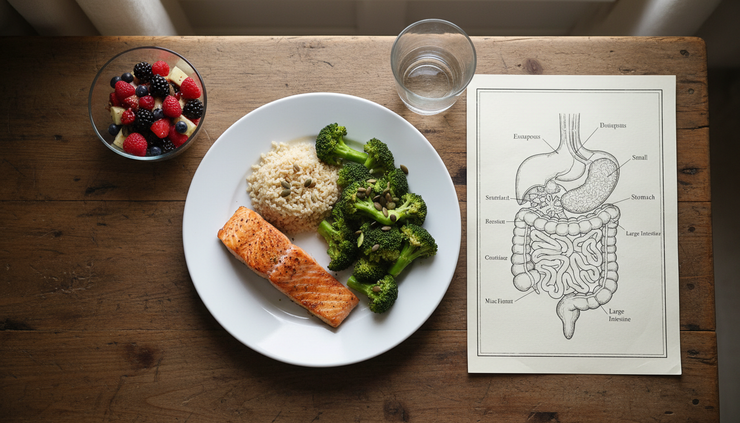
What malabsorption means
Digestion and absorption are not the same thing.
Digestion breaks food down into smaller parts. Stomach acid, bile, pancreatic enzymes, and gut movement all help with this.
Absorption happens mainly in the small intestine. Nutrients pass through the gut lining and enter the blood or lymph system so the body can use them.
Malabsorption can happen when:
Food is not broken down properly
The gut lining is damaged
The small intestine has too little surface area
Bile or pancreatic enzymes are lacking
Gut bacteria are out of balance
Food moves through the bowel too quickly
The result depends on which nutrient is affected. Poor fat absorption can cause greasy stools and deficiencies in vitamins A, D, E, and K. Poor iron or folate absorption can cause anaemia. Poor calcium and vitamin D absorption can weaken bones.
Common symptoms of malabsorption
Symptoms vary widely. Some people mainly notice bowel changes. Others feel generally unwell and only discover the problem after blood tests.
Common digestive symptoms include:
Chronic diarrhoea
Pale, bulky, greasy, or foul-smelling stools
Floating stools that are hard to flush
Bloating and excess wind
Abdominal cramps or discomfort
Nausea
Unexplained weight loss
Loss of appetite
Symptoms linked to nutrient deficiencies may include:
Tiredness or weakness
Shortness of breath on exertion
Dizziness
Mouth ulcers or a sore tongue
Easy bruising or bleeding
Dry skin or brittle hair
Muscle cramps
Bone pain
Tingling or numbness in the hands and feet
Low mood or poor concentration
In children, malabsorption may cause poor growth, delayed puberty, irritability, persistent diarrhoea, or difficulty gaining weight.
Stool changes can offer clues
People often feel embarrassed talking about stool, but it gives useful information. Fat malabsorption can produce stools that look oily, smell unusually strong, float, or leave a greasy film in the toilet. Lactose malabsorption may cause diarrhoea, cramps, and wind soon after milk or dairy products.
Blood in the stool, black tarry stool, or severe pain needs urgent medical advice.
When to seek medical help
Book an appointment with a GP if bowel symptoms last more than a couple of weeks, keep returning, or come with fatigue, weight loss, or signs of anaemia.
Seek urgent medical help if there is:
Severe or worsening abdominal pain
Blood in the stool
Black, tar-like stool
Signs of dehydration
Persistent vomiting
Rapid weight loss
Fever with severe diarrhoea
Confusion, fainting, or marked weakness
People with known inflammatory bowel disease, previous bowel surgery, pancreatic disease, or a family history of coeliac disease should seek advice sooner if symptoms change.

Main causes of malabsorption
There is no single cause. The condition can come from the gut lining, the pancreas, the liver and bile system, infections, medicines, or surgery.
Coeliac disease
Coeliac disease is an autoimmune condition triggered by gluten, a protein found in wheat, barley, and rye. In people with coeliac disease, gluten causes inflammation and damage to the lining of the small intestine.
Symptoms may include diarrhoea, bloating, fatigue, anaemia, mouth ulcers, weight loss, or fertility problems. Some people have few gut symptoms and are diagnosed after blood tests show low iron, folate, or vitamin D.
Treatment requires a strict lifelong gluten-free diet, guided by proper diagnosis. It is best not to remove gluten before testing, unless a clinician advises it, because this can make results less reliable.
Lactose intolerance and other carbohydrate problems
Lactose intolerance happens when the body does not produce enough lactase, the enzyme that breaks down lactose in milk and dairy foods. Symptoms often include bloating, cramping, wind, and diarrhoea after lactose-containing foods.
Some people also struggle to absorb fructose or other fermentable carbohydrates. These can trigger symptoms similar to irritable bowel syndrome, especially bloating and diarrhoea.
Pancreatic enzyme insufficiency
The pancreas makes enzymes that help digest fat, protein, and carbohydrate. If the pancreas does not produce enough enzymes, food does not break down properly.
This may happen with chronic pancreatitis, cystic fibrosis, pancreatic surgery, or pancreatic cancer. Fat malabsorption is common, causing weight loss and greasy stools. Treatment often includes pancreatic enzyme replacement capsules taken with food.
Inflammatory bowel disease
Crohn’s disease can affect any part of the digestive tract, including the small intestine, where many nutrients are absorbed. Inflammation, ulcers, narrowing, or surgery can all contribute to malabsorption.
Ulcerative colitis mainly affects the large bowel, so it is less likely to cause malabsorption directly. Still, inflammation, diarrhoea, poor intake, and blood loss can lead to deficiencies.
Bile acid problems
Bile helps the body absorb fat. If bile acids are not handled properly, they can cause chronic watery diarrhoea. This may happen after gallbladder removal, ileal disease, ileal surgery, or in some people with no obvious cause.
Bile acid diarrhoea can be mistaken for irritable bowel syndrome. Specific tests or a treatment trial may help identify it.
Small intestinal bacterial overgrowth
Small intestinal bacterial overgrowth, often shortened to SIBO, happens when too many bacteria grow in the small intestine. These bacteria can interfere with digestion and nutrient absorption.
Symptoms may include bloating, diarrhoea, discomfort, and vitamin deficiencies. Risk factors include previous bowel surgery, slowed gut movement, diabetes-related nerve problems, and structural bowel changes.
Infections and parasites
Some gut infections can cause temporary malabsorption by damaging the intestinal lining. In many cases, absorption improves once the infection clears.
Certain parasites, such as Giardia, can cause longer-lasting diarrhoea, bloating, and weight loss. This is more likely after travel, contaminated water exposure, or close contact with infected individuals.
Surgery and shortened bowel
Surgery that removes part of the stomach, pancreas, gallbladder, or small bowel can affect digestion and absorption. The impact depends on which section was removed and how much bowel remains.
People who have had bariatric surgery may also need lifelong monitoring for deficiencies, especially iron, vitamin B12, folate, calcium, and vitamin D.
Medicines and alcohol
Some medicines can affect digestion, gut bacteria, or nutrient absorption. Long-term or high-dose use of certain acid-reducing medicines, antibiotics, anti-seizure medicines, or weight-loss medicines may contribute in some people.
Heavy alcohol use can damage the pancreas, liver, gut lining, and overall nutrition. This can create several routes to malabsorption at once.
How doctors diagnose malabsorption
Diagnosis starts with a careful history. A clinician may ask about stool changes, diet, travel, weight loss, surgery, medicines, family history, and related symptoms such as rashes, joint pain, or mouth ulcers.
Tests depend on the suspected cause. Common options include:
Test or assessment | What it may show |
Full blood count | Anaemia or signs of inflammation |
Iron, ferritin, folate, and vitamin B12 | Nutrient deficiencies |
Liver, kidney, and thyroid blood tests | Other causes of fatigue or bowel change |
Coeliac blood tests | Immune markers linked to coeliac disease |
Stool tests | Infection, inflammation, blood, or fat |
Faecal elastase | Low pancreatic enzyme output |
Breath tests | Lactose intolerance or SIBO in selected cases |
Endoscopy or colonoscopy | Inflammation, coeliac changes, Crohn’s disease, or other bowel problems |
Imaging scans | Pancreatic, liver, gallbladder, or bowel abnormalities |
Testing should be guided by symptoms. A person with greasy stools and weight loss may need different tests from someone with bloating after dairy.

Treatment depends on the cause
The best treatment is the one that addresses the reason nutrients are not being absorbed. Generic supplements may help deficiencies, but they will not fix untreated coeliac disease, pancreatic insufficiency, Crohn’s disease, or infection.
Replace missing nutrients safely
If tests show a deficiency, treatment may include:
Iron for iron-deficiency anaemia
Folate or vitamin B12
Vitamin D and calcium
Fat-soluble vitamins, such as A, E, and K, when needed
Magnesium, zinc, or other minerals
Some deficiencies need prescribed doses or injections. Vitamin B12, for example, may require injections if the gut cannot absorb enough from tablets.
Avoid taking high-dose supplements without guidance. Some vitamins and minerals can cause harm if taken in excess.
Treat the underlying condition
Examples include:
A lifelong gluten-free diet for coeliac disease
Pancreatic enzyme replacement for pancreatic insufficiency
Anti-inflammatory or immune-targeted treatment for Crohn’s disease
Antibiotics or other treatment for confirmed infections
Treatment for SIBO when supported by symptoms and testing
Bile acid binders for bile acid diarrhoea in selected cases
Lactose reduction or lactase tablets for lactose intolerance
For many people, treatment combines medicine, diet changes, and monitoring.
Adjust the diet without making it too restrictive
Food changes can be powerful, but overly strict diets can worsen nutrition. A dietitian can help tailor changes while keeping meals varied.
Helpful approaches may include:
Eating smaller, more frequent meals during flare-ups
Choosing higher-energy foods if weight is falling
Reducing lactose if symptoms clearly follow dairy
Following a gluten-free diet only after coeliac testing, unless advised otherwise
Using oral nutrition supplements if intake is low
Reintroducing foods carefully after infections or inflammation improves
For fat malabsorption, some people need changes to fat intake or specific supplements. This should be done with clinical advice, especially if weight loss is present.
Living with malabsorption long term
Long-term management depends on the diagnosis. Some causes resolve fully, while others need lifelong follow-up.
Regular monitoring may include blood tests for iron, B12, folate, vitamin D, bone health checks, weight tracking, and review of symptoms. Children may need growth monitoring.
A simple routine can help:
Keep a record of symptoms, weight, and major diet changes.
Take prescribed medicines or supplements as directed.
Attend follow-up tests, even when symptoms improve.
Report new warning signs, especially weight loss, blood in stool, or worsening pain.
Ask for dietetic support if food choices feel limited.
Mental health matters too. Chronic bowel symptoms can affect social life, work, travel, and confidence around food. Support from clinicians, dietitians, and patient groups can make the condition easier to manage.

Key takeaway
Malabsorption is a sign that the body is not taking in nutrients properly. The cause may be simple, such as lactose intolerance after a gut infection, or more complex, such as coeliac disease, Crohn’s disease, pancreatic insufficiency, or previous bowel surgery.
Do not ignore persistent diarrhoea, greasy stools, unexplained weight loss, anaemia, or ongoing fatigue. The right tests can identify the cause, and the right treatment can restore nutrients, reduce symptoms, and protect long-term health.


Comments