


Understanding Malabsorption Syndrome Causes Symptoms Diagnosis and Daily Management

Food should nourish the body. When someone has malabsorption syndrome, that simple process becomes harder. The person may eat enough, yet still lose weight, feel drained, pass frequent loose stools, or develop deficiencies that affect the bones, blood, nerves, skin, and immune system.
Malabsorption is not one single disease. It is a pattern that happens when the digestive system cannot properly absorb nutrients from food. The problem may involve fats, proteins, carbohydrates, vitamins, minerals, fluids, or a mix of these. Some causes are temporary and treatable. Others need long-term care.
This article is for information only and does not replace medical advice. Ongoing diarrhoea, weight loss, blood in stool, severe weakness, or signs of dehydration should be checked by a doctor promptly.
What malabsorption syndrome means
Digestion and absorption happen in steps. The mouth and stomach break food down. The pancreas releases enzymes that help digest fats, proteins, and carbohydrates. The liver and gallbladder provide bile, which helps absorb fat. The small intestine then takes nutrients into the bloodstream.
Malabsorption syndrome can occur when any part of this process is disturbed. Food may move too quickly through the gut. Enzymes may be missing. The lining of the small intestine may be inflamed or damaged. Bile flow may be reduced. Bacteria may overgrow in the wrong part of the gut.
The result is that nutrients stay inside the bowel instead of entering the body. They may pull water into the stool, feed excess bacteria, or pass out undigested. This is why malabsorption often causes diarrhoea, bloating, gas, greasy stools, and weight changes.
Common causes of malabsorption
Malabsorption has many possible causes. Finding the reason matters because treatment for lactose intolerance is very different from treatment for coeliac disease, pancreatic disease, or an intestinal infection.
Conditions that damage the small intestine
The small intestine has tiny finger-like structures called villi. These create a large surface area for absorption. When villi become damaged, nutrient uptake falls.
Common examples include:
Coeliac disease
An immune reaction to gluten damages the small intestine. Gluten is found in wheat, barley, and rye. People with coeliac disease need a strict gluten-free diet after diagnosis.
Inflammatory bowel disease
Crohn’s disease can affect the small intestine and reduce absorption, especially when inflammation is active or sections of bowel have been removed.
Intestinal infections
Some infections can irritate or injure the gut lining. Prolonged diarrhoea after contaminated food or water can lead to short-term malabsorption.
Tropical sprue
This condition is seen in some tropical regions and can cause chronic diarrhoea, weight loss, and deficiencies. It needs medical diagnosis and treatment.
Problems with digestive enzymes or bile
Food must be broken down before it can be absorbed. If enzymes or bile are lacking, malabsorption can follow.
Important causes include:
Pancreatic insufficiency
The pancreas may not release enough digestive enzymes. This can happen with chronic pancreatitis, cystic fibrosis, or after some pancreatic surgeries. Fat malabsorption is common.
Liver or bile duct disease
Bile helps the body absorb fat and fat-soluble vitamins. Reduced bile flow can lead to pale, greasy stools and deficiencies in vitamins A, D, E, and K.
Gallbladder and bile flow problems
Some bile-related conditions reduce fat digestion, especially after fatty meals.
Food intolerances and carbohydrate malabsorption
Not all malabsorption is due to serious organ disease. Some people cannot digest certain sugars well.
Lactose intolerance happens when the body lacks enough lactase, the enzyme that digests milk sugar.
Fructose malabsorption can make some fruits, juices, honey, and sweetened foods difficult to tolerate.
FODMAP sensitivity may cause bloating, gas, and diarrhoea in people with irritable bowel syndrome.
These conditions can be uncomfortable and disruptive, but they are often managed with targeted diet changes.
Bacterial overgrowth and altered gut movement
Small intestinal bacterial overgrowth, often called SIBO, happens when too many bacteria grow in the small intestine. These bacteria can interfere with digestion, produce gas, and use up nutrients before the body absorbs them.
SIBO may occur after gut surgery, with diabetes-related nerve changes, slow bowel movement, or structural problems in the intestine.
Surgery and long-term medicines
Surgery that removes part of the stomach, pancreas, gallbladder, or small intestine can change absorption. Bariatric surgery may also affect iron, vitamin B12, calcium, vitamin D, and other nutrients.
Some medicines can contribute to diarrhoea or nutrient problems. Long-term acid-suppressing medicines, certain antibiotics, laxatives, and other drugs may play a role in some people. Never stop prescribed medicines suddenly. A doctor can review whether a medicine might be part of the problem.
Symptoms that may point to malabsorption
Symptoms vary depending on which nutrients are poorly absorbed and how long the problem has been present.
Common digestive symptoms include:
Frequent loose stools
Greasy, bulky, pale, or foul-smelling stools
Stool that floats or is hard to flush
Bloating and excess gas
Abdominal cramps
Nausea or reduced appetite
Unexplained weight loss
Symptoms outside the gut can be just as important:
Nutrient affected | Possible signs |
Iron | Tiredness, pale skin, shortness of breath, dizziness |
Vitamin B12 | Numbness, tingling, memory issues, mouth ulcers, anaemia |
Folate | Fatigue, mouth soreness, anaemia |
Vitamin D and calcium | Bone pain, muscle weakness, higher fracture risk |
Vitamin K | Easy bruising or bleeding |
Protein | Swelling in the feet, muscle loss, slow healing |
Fat | Weight loss, greasy stools, poor absorption of vitamins A, D, E, and K |
Children may show poor growth, delayed puberty, irritability, bloating, or persistent diarrhoea. Older adults may present mainly with weakness, low appetite, anaemia, or bone problems.
Seek urgent care if there is severe dehydration, persistent vomiting, black or bloody stool, high fever, confusion, fainting, or rapid weight loss.

How malabsorption affects overall health
Nutrients are the body’s building materials. When absorption fails, the effects can spread far beyond digestion.
Energy and weight
Poor absorption of calories, fats, and carbohydrates can cause weight loss even when food intake seems normal. People may feel weak during ordinary tasks.
Blood health
Iron, folate, and vitamin B12 are needed to make healthy red blood cells. Deficiencies can cause anaemia, which may bring fatigue, dizziness, rapid heartbeat, and breathlessness.
Bones and muscles
Vitamin D, calcium, magnesium, and protein support bones and muscles. Long-term malabsorption can increase the risk of muscle cramps, weakness, bone pain, and fractures.
Nerves and mood
Vitamin B12 and other nutrients help nerve function. Deficiency may cause tingling, numbness, balance problems, low mood, or poor concentration.
Immunity and healing
Protein, zinc, vitamins A and C, and other nutrients help tissue repair and immune response. People may notice slow wound healing or more frequent infections.
The emotional toll also deserves attention. Living with unpredictable bowel symptoms can make travel, work, school, and family meals stressful. Embarrassment and fear of symptoms can lead people to eat less, avoid social situations, or delay seeking care. These reactions are understandable, and support can make daily life easier.
How doctors diagnose malabsorption
Diagnosis usually starts with a detailed history and physical examination. A clinician will ask about stool changes, weight loss, diet, travel, infections, medicines, surgeries, family history, and symptoms such as fatigue or bone pain.
Blood tests
Blood tests may check for:
Anaemia
Iron, folate, and vitamin B12 levels
Vitamin D and calcium levels
Liver and kidney function
Inflammation markers
Thyroid function when symptoms overlap
Coeliac disease antibodies
For coeliac testing, a person usually needs to be eating gluten before the test. Starting a gluten-free diet too early can make results harder to interpret.
Stool tests
Stool testing can help detect:
Fat malabsorption
Infection or parasites
Blood or inflammation
Pancreatic enzyme shortage through stool elastase testing, when available
A doctor may request more than one stool sample because some infections are missed on a single test.
Breath tests
Breath tests may help assess lactose intolerance, fructose malabsorption, or bacterial overgrowth. Availability varies by city and healthcare setting.
Imaging and endoscopy
Ultrasound, CT scan, MRI, or other imaging may be used if pancreatic, liver, gallbladder, or bowel disease is suspected.
Endoscopy can allow direct viewing of the digestive tract. In suspected coeliac disease or other small bowel conditions, a doctor may take small tissue samples, called biopsies, to look for damage under a microscope.

Practical ways to manage malabsorption day by day
Treatment depends on the cause. Some people need antibiotics, pancreatic enzymes, gluten avoidance, lactose restriction, treatment for inflammatory disease, parasite treatment, or vitamin injections. Day-to-day habits can also support recovery and reduce symptoms.
Work with a clear diagnosis
Try not to remove many foods without guidance. Restrictive diets can make deficiencies worse, especially if weight is already falling. If access allows, work with a gastroenterologist and a registered dietitian. Bring a list of symptoms, medicines, supplements, and a 3 to 7 day food and stool diary.
A useful diary can track:
Meals and snacks
Stool frequency and appearance
Pain, bloating, gas, or urgency
Weight changes
Medicines and supplements
Any trigger foods
Eat smaller, more regular meals
Large meals can worsen bloating, urgency, and fatty stools. Smaller meals spread across the day may be easier to digest.
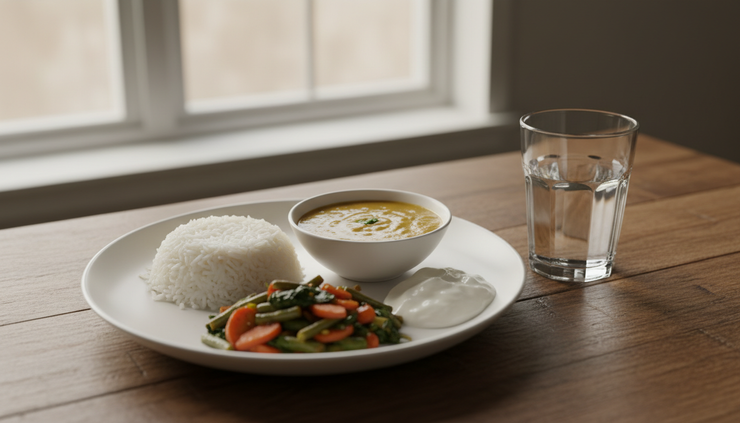
Simple options in Pakistan can include:
Rice with daal and cooked vegetables
Khichri with yoghurt if tolerated
Soft roti with eggs or chicken
Banana, oats, or plain rice during diarrhoea flares
Clear soups with added protein
Plain lassi without added sugar if lactose is tolerated
During active diarrhoea, avoid very oily, spicy, or heavily fried foods if they worsen symptoms. Reintroduce foods gradually once the gut settles.
Adjust fat intake based on the cause
Fat malabsorption often causes greasy, floating stools. Some people feel better with lower-fat meals, while others need pancreatic enzyme replacement rather than strict fat avoidance.
Do not cut fat to near zero. Healthy fats help maintain weight and absorb vitamins. A clinician can guide the balance, especially if pancreatic or bile-related disease is present.
Replace missing nutrients safely
Supplements can be helpful, but the right type and dose matters.
Common replacements may include:
Iron
Vitamin B12 tablets or injections
Folate
Vitamin D and calcium
Fat-soluble vitamins A, E, and K
Zinc or magnesium
Oral rehydration solution during diarrhoea
Avoid taking high-dose supplements without medical advice. Too much of some vitamins and minerals can cause harm.
Manage hydration
Loose stools can lead to dehydration and salt loss. Sip fluids throughout the day. Oral rehydration solution can help during diarrhoea, especially in hot weather.
Signs of dehydration include dark urine, dizziness, dry mouth, fast heartbeat, and reduced urination. Children, older adults, and pregnant people need extra caution.
Handle trigger foods with care
Possible triggers include milk, wheat, high-fructose foods, beans, onions, carbonated drinks, artificial sweeteners, and very fatty meals. Triggers differ by person.
A short elimination trial may help, but it should be planned. Remove one likely trigger at a time, then reintroduce it to see if symptoms return. Long-term gluten avoidance should not begin before coeliac testing unless a doctor advises it.
Support the gut with steady routines
Lifestyle changes cannot cure every cause, but they can reduce stress on the digestive system.
Helpful habits include:
Eat slowly and chew well
Keep meal timing consistent
Wash hands and handle food safely
Use clean drinking water
Limit alcohol, especially with liver or pancreatic disease
Avoid smoking
Move gently, such as walking, when energy allows
Prioritise sleep during flares
Stress does not “cause” malabsorption in most cases, but stress can worsen gut sensitivity and appetite. Breathing exercises, prayer, journalling, counselling, or quiet walks can help with coping.
Supportive resources and coping strategies
Malabsorption can feel isolating, especially when symptoms are unpredictable. A structured support plan can reduce anxiety and improve follow-through.
Build a care file
Keep test reports, diagnoses, medicine names, supplement doses, and food diaries in one folder. This helps when seeing a new doctor or visiting a hospital.
Prepare for travel and workdays
Carry water, prescribed medicines, safe snacks, and oral rehydration salts when needed. Learn where washrooms are before long journeys. This small planning step can reduce fear around leaving home.
Ask direct questions at appointments
Useful questions include:
What is the most likely cause of my symptoms?
Which nutrients are low?
Do I need repeat blood tests?
Should I avoid gluten, lactose, or fat?
Do I need enzyme tablets or vitamin injections?
What symptoms mean I should seek urgent care?
Look for trustworthy information
Reliable sources include hospital patient education pages, public health resources, and recognised digestive health organisations. Be cautious with social media advice that promotes extreme diets, expensive supplement plans, or “cures” without testing.
Get emotional support
Family members may not understand how exhausting chronic gut symptoms can be. Clear explanations help. For example, “I am not being picky with food. My body is not absorbing nutrients properly, and I am following a plan.” If low mood or anxiety becomes constant, mental health support is part of good medical care.

The main takeaway
Malabsorption syndrome is a sign that the body is not getting full value from food. It can come from coeliac disease, infections, pancreatic problems, bile disorders, inflammatory bowel disease, food intolerances, surgery, or bacterial overgrowth. Symptoms may involve the gut, but the effects can reach energy, blood health, bones, nerves, immunity, and mood.
The best step is to look for the cause rather than guessing. Keep a symptom and food diary, seek medical assessment for ongoing symptoms, follow testing advice, and use diet changes with care. With the right diagnosis, nutrient replacement, food plan, and daily support, many people regain strength and feel more in control of their lives.


Comments